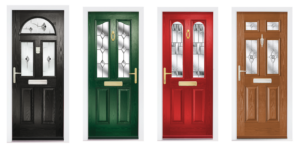
The Advanced Guide To Composite Doors


Understanding Composite Doors: The Modern Solution for Your Home
Composite doors are getting traction in the home improvement market, thanks to their mix of aesthetic appeals, durability, and energy effectiveness. This post delves into the functions, benefits, and considerations related to composite doors, making it a detailed resource for property owners looking to upgrade their entrance.
What Are Composite Doors?
Composite doors are engineered doors made from a combination of materials. These typically consist of:
- PVC (Polyvinyl Chloride): Provides a strong base and adds to the door's insulating homes.
- Composite products: Usually consist of wood, glass-reinforced plastic (GRP), and other materials, using a durable structure that imitates the look of wood without the maintenance concerns.
- Insulation core: Typically made from foam or other insulating products that enhance the energy performance of the door.
Why Choose Composite Doors?
Composite doors stand apart among traditional wood or metal doors for a number of engaging factors. Here are a number of key advantages:
- Durability:Composite doors are constructed to hold up against extreme climate condition, including heavy rain, snow, and strong winds. Unlike wooden doors, they do not warp, swell, or crack gradually.
- Security:These doors are normally built with multi-point locking systems, making them a lot more tough to get into compared to standard doors. The robust products used in their construction add an additional layer of security.
- Energy Efficiency:With their insulated core, composite doors excel in maintaining heat within your home. This energy efficiency can cause lower heating costs, making them an economically sound option in the long run.
- Low Maintenance:Unlike traditional wood doors that require routine painting or staining, composite doors are simple to tidy and normally require very little maintenance. Merely wipe down the surface area with a wet cloth to keep them looking brand-new.
- Visual Appeal:Composite doors can be found in an array of styles, colors, and surfaces. They can be made to reproduce the appearance of conventional lumber doors while remaining structurally remarkable, providing adaptability in design to fit any home.
- Environmental Friendliness:Many makers utilize recycled materials in the building of composite doors. This makes them a more sustainable alternative compared to conventional wooden doors, which add to logging.
Factors to Consider When Choosing Composite Doors
Before investing in composite doors, it's necessary to consider a number of factors that affect their effectiveness, look, and expense:
- Quality and Certification:Look for doors that have actually been accredited by acknowledged companies for quality and security standards. This ensures that you're acquiring a product that fulfills market benchmarks for resilience and security.
- Design and style:Consider the architectural design of your home before choosing a style. Composite doors are available in numerous styles, including modern, conventional, and even custom options customized to your specs.
- Energy Ratings:Like devices, doors also feature energy rankings. Look for the energy efficiency ranking label to ensure you are making a sensible financial investment that contributes to decrease energy costs.
- Installation:Proper installation is important to the performance of your composite door. It is extremely recommended to utilize professional installers to guarantee that the door fits completely and runs smoothly.
- Service warranty:Most composite door makers provide guarantees, ensuring that your financial investment is safeguarded. Make sure to check out the fine print and comprehend what is covered under the service warranty.
- Expense:Composite doors normally vary from mid to high cost points. While they may be more costly than traditional wooden doors, the long-term cost savings in maintenance and energy efficiency can offset this preliminary expense.
Often Asked Questions (FAQs)
1. How long do composite doors last?Composite doors
are created to last for lots of years, frequently with a lifespan of 30 years or more when effectively kept. 2. Are composite doors appropriate
for coastal areas?Yes, composite doors are highly resistant to weather and rust, making them an outstanding option for seaside locations. 3. Can composite doors improve home security?Absolutely. Composite doors are strong and equipped with secure locking systems, significantly improving the security of your home
. 4. Do composite doors need painting?No, one of the substantial benefits of composite doors is their low maintenance requirements.
They generally just need to be wiped down to remain tidy. 5.
Exist color options for composite doors?Yes, Repair My Windows And Doors come in different colors and surfaces, allowing property owners to choose a style that matches their home's exterior. Conclusion: A Smart Investment
for Modern Homes Composite doors represent a modern-day option for property owners who focus on security, durability, and energy effectiveness while also seeking visual appeal. Their mix of advanced engineering and style flexibility makes them an attractive choice for any home. By considering the factors detailed in this article and weighing the associated advantages, possible purchasers can make informed decisions that add to improved home worth and convenience. With their durability and low maintenance, composite doors are not just a purchase; they are a financial investment in the future.